


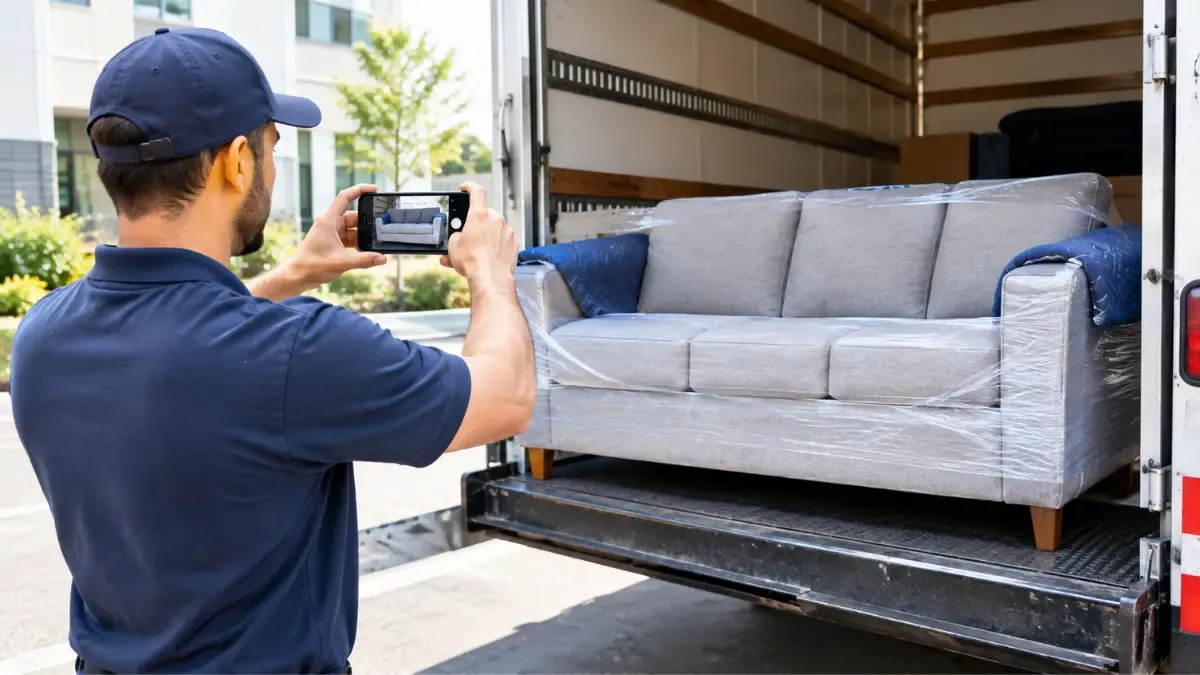
Handing off a piece of furniture, an appliance, or anything fragile to a delivery driver you've never met comes with an obvious question hovering in the back of your mind: what happens if it gets damaged along the way? Is local delivery insured, and if something does go wrong, who's actually on the hook for it? These are fair questions, and the answer isn't always as simple as "yes, you're covered" - it depends on the platform, the type of delivery, and what protections are actually built into the service you're using. Platforms like Go FreightMate exist to make local delivery more transparent and reliable, so here's what to understand about insurance and damage coverage before you book.
#Why This Question Matters More With Local Delivery
Traditional shipping carriers like UPS or FedEx have decades-old, standardized insurance and claims processes that most people are at least loosely familiar with. Local, on-demand delivery - the kind used for marketplace furniture pickups, appliance transport, or same-day local freight - is a newer model, and coverage varies a lot more from platform to platform. Some services include basic protection automatically; others require you to purchase additional coverage; some leave liability murkier than either of those options. Knowing which category your delivery service falls into matters before, not after, something goes wrong.
#What "Insured Delivery" Actually Means
When a delivery service says it's insured, it generally falls into one of a few categories:
Built-in liability coverage - the platform or driver carries insurance that covers damage up to a certain value automatically, with no extra cost or action needed from the customer.
Optional add-on coverage - customers can purchase additional protection for higher-value items, similar to shipping insurance on a package.
Driver-level liability only — coverage depends on the individual driver's own insurance, which can vary significantly and may not specifically cover the cargo being transported.
No formal coverage — some informal or peer-to-peer delivery arrangements offer no real protection at all, leaving the customer with little recourse if something is damaged.
Before booking any local delivery, it's worth confirming which of these applies, since "we take care of our customers" and "we carry cargo liability insurance" are two very different things.
#Questions Worth Asking Before You Book
Rather than assuming coverage exists, it's worth getting direct answers to a few specific questions:
Does the platform or driver carry liability insurance for goods in transit?
Is there a coverage limit, and does it match the value of what you're shipping?
Is coverage automatic, or do you need to request or purchase it separately?
What's the process if damage does occur - who do you contact, and what documentation is needed?
Is proof of condition required before and after delivery (photos, inspection, etc.)?
A platform that can answer these clearly, in writing, is generally a safer bet than one that gives a vague reassurance without specifics.
#What Typically Happens If Something Gets Damaged
While the exact process varies by provider, most legitimate local delivery services follow a similar general pattern when damage occurs:
The damage is reported, usually as soon as possible after delivery, often within 24-48 hours.
Documentation is provided — photos of the damage, and ideally photos from before pickup showing the item's original condition.
The claim is reviewed, either by the platform directly or by an insurance provider they work with.
A resolution is determined — repair costs, replacement value, or a partial reimbursement, depending on the coverage terms and the extent of the damage.
This is exactly why real-time tracking and proof of delivery matter so much in local delivery. Having photo confirmation and a documented handoff at both pickup and drop-off gives both the customer and the platform something concrete to reference if a dispute comes up, rather than relying on someone's memory of what the item looked like beforehand.
#How to Protect Yourself Even With Coverage in Place
Insurance helps, but a few habits reduce your risk regardless of what coverage exists:
Photograph the item before pickup, from multiple angles, especially any existing wear or damage
Confirm condition at drop-off whenever possible, rather than assuming everything arrived fine
Keep records of your booking and any communication with the driver or platform
Ask about driver vetting, since platforms that background-check and verify drivers tend to have more accountability built into the process overall
Reliable local delivery platforms generally build these protections into the process directly, rather than leaving documentation entirely up to the customer.
#Why This Matters More for High-Value or Fragile Items
For a low-cost, easily replaceable item, the stakes of a damage dispute are relatively low. But for furniture, appliances, or anything fragile and expensive, it's worth taking the extra few minutes to confirm coverage before booking, rather than finding out after the fact that you have limited recourse. This is especially true for marketplace purchases, where the item often can't simply be reordered from the seller if something goes wrong in transit.
#Final Thoughts
Is local delivery insured isn't a question with one universal answer — it depends entirely on the specific platform and how their coverage is structured. Before booking a delivery for something valuable or fragile, take the time to ask directly about liability coverage, documentation requirements, and what the claims process actually looks like if something does go wrong. Working with a platform that documents pickup and delivery with real-time tracking and photo confirmation gives you a much stronger position if a dispute ever comes up, rather than being left with no evidence either way.
This article is intended for general informational purposes. Insurance and liability terms vary by provider - always confirm specific coverage details directly with the delivery platform you're using before booking.
#Frequently Asked Questions
#1. Does local delivery automatically include insurance?
It depends on the platform. Some include basic liability coverage automatically, while others require additional coverage to be purchased or leave protection dependent on the individual driver's insurance.
#2. What should I do immediately if my item arrives damaged?
Document the damage with photos as soon as possible, compare it to any before-pickup photos you have, and report it to the delivery platform right away, since most claims processes have a reporting window.
#3. Is it worth taking photos before a delivery pickup?
Yes. Photographing an item's condition before pickup gives you a clear reference point if a damage dispute comes up later, and many platforms recommend or require this.
#4. Are drivers on delivery platforms personally liable for damage?
This varies by platform. Some services carry liability coverage at the platform level, while others rely more heavily on individual driver insurance, which can differ significantly in scope.
#5. Should I ask about insurance before booking a delivery for expensive items?
Definitely. For high-value or fragile items, confirming coverage details in advance is worth the extra few minutes, since it's much harder to resolve after damage has already occurred.