


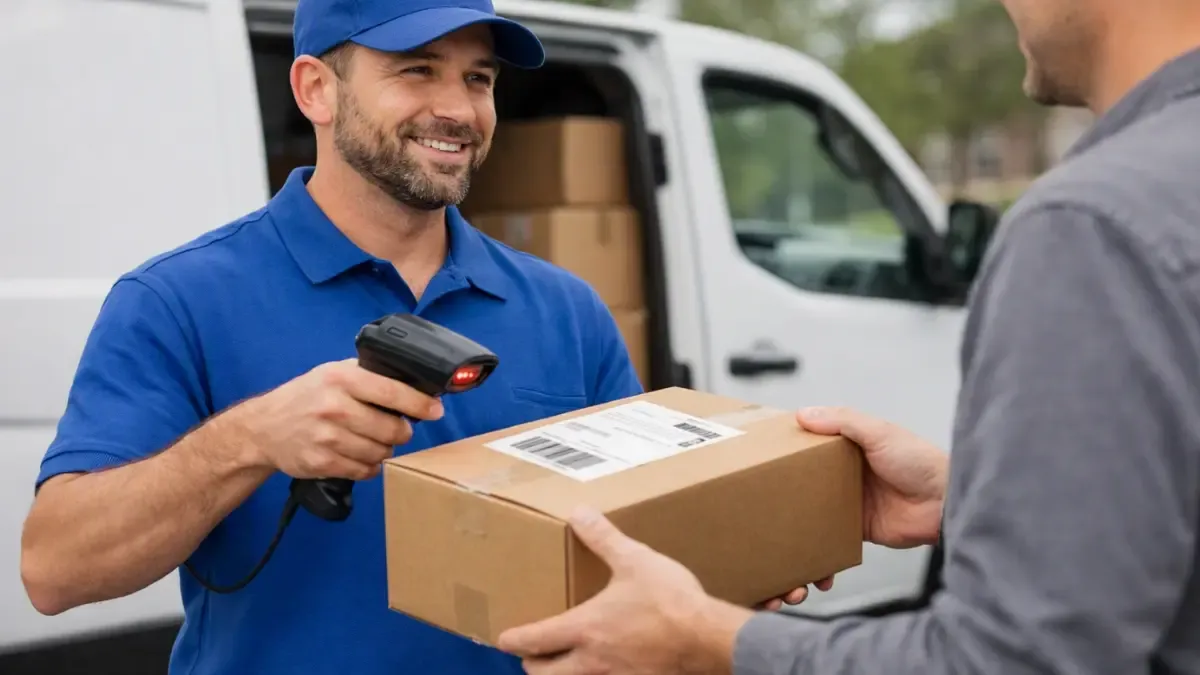
Every ecommerce order comes down to one final, make-or-break step: getting the product into the customer's hands in the condition and timeframe they expected. Product quality and website experience matter, but a late, damaged, or untracked delivery undoes all of that goodwill in a single bad experience. Choosing the right delivery partner for your ecommerce store is one of those decisions that quietly shapes customer satisfaction more than most sellers realize, especially for local and regional orders where speed and reliability are the whole selling point. Go FreightMate works with ecommerce sellers across New Jersey who are navigating this decision, so here's what actually matters when comparing options.
#Why This Decision Matters More Than It Seems
For a small or growing ecommerce business, delivery isn't just a logistics detail — it's part of the customer experience you're selling. Customers expect quick shipping, accurate updates, and dependable service with nearly every order today, largely because that's the baseline set by major retailers. A small business competing without a large in-house delivery network needs a partner that can match those expectations, or the gap becomes obvious fast, especially with repeat customers who notice inconsistency.
Choosing poorly doesn't just risk one bad delivery — it risks the customer relationship behind it. A late or mishandled package often costs more in lost trust than the delivery itself ever cost in dollars.
#What to Actually Compare Between Delivery Partners
#1. Delivery Speed and Reliability
Speed matters, but consistency matters more. A partner that's fast most of the time but unpredictable on busy days creates more customer service headaches than one that's reliably a bit slower. Ask potential partners directly about typical delivery windows, how they handle high-volume periods, and what happens when something doesn't go according to plan.
#2. Real-Time Tracking and Proof of Delivery
Customers increasingly expect to know exactly where their order is, not just receive a vague "it's on the way" message. A strong delivery partner should offer visibility from pickup through drop-off, including photo confirmation once an order is delivered. This isn't just a nice-to-have — it directly reduces the volume of "where's my order" support requests that eat into a small team's time.
#3. Coverage Area
Not every delivery partner covers every region equally well. Before committing, confirm the partner's actual service area matches where your customer base is concentrated, rather than assuming broad regional coverage automatically includes your specific delivery zones.
#4. How Large or Unusual Items Are Handled
Ecommerce isn't limited to small packages. If your store sells furniture, appliances, or anything bulky, it's worth understanding how a delivery partner handles large item transportation specifically, since not every courier service is equipped or experienced with oversized deliveries. A partner built around small parcels may not be the right fit if a meaningful part of your catalog doesn't fit that mold.
#5. Driver Vetting and Accountability
Since a delivery partner is essentially representing your brand at the customer's doorstep, it's worth confirming how drivers are vetted. Platforms where every driver is background-checked and verified offer more accountability than informal or loosely managed delivery networks, which matters more than people expect once something does go wrong.
#6. Cost Structure and Scalability
Delivery costs directly affect margins, so it's worth understanding not just the price per delivery, but how that cost scales as order volume grows. A partner offering efficient local delivery routes can help reduce per-delivery transportation costs, which becomes increasingly important as your order volume increases and every dollar saved on logistics adds up.
#7. Technology and Ease of Use
A delivery partner's platform should make your day-to-day operations easier, not add friction. Look for the ability to schedule deliveries quickly, manage multiple shipments from a single dashboard, and get updates without needing to manually follow up. Understanding how a delivery platform actually works before committing — how orders get posted, matched with drivers, and tracked — helps avoid learning a clunky new system while orders are already piling up.
#Questions Worth Asking Before You Commit
How is real-time tracking handled, and is proof of delivery included automatically?
What's the typical delivery window, and how does that change during high-demand periods?
Are drivers background-checked and verified?
Can the platform handle both standard parcels and larger, bulkier items if your catalog includes them?
How does pricing scale as order volume increases?
What happens if a delivery is delayed, damaged, or goes wrong?
A partner that answers these clearly and specifically is generally a stronger long-term fit than one that gives vague reassurances without real detail.
#Why Local Delivery Partners Can Outperform National Carriers for Regional Orders
For ecommerce sellers with a meaningfully local or regional customer base, a dedicated local delivery partner often outperforms a national carrier on both speed and flexibility. Local delivery services help businesses deliver customer orders faster while reducing transportation costs, since routes stay concentrated in a smaller geographic area rather than moving through a broader, more generalized shipping network. This can be a real competitive advantage for ecommerce sellers going up against larger companies with more extensive delivery infrastructure but less regional focus.
#Don't Overlook the Return Journey
A good delivery partner isn't just about getting orders out — it's also worth considering how returns or exchanges are handled, since ecommerce inevitably involves some volume of items coming back. A partner with strong local delivery capabilities can often support return pickups just as efficiently as outbound orders, which is worth asking about directly rather than assuming it's covered.
#Final Thoughts
Choosing the right delivery partner for your ecommerce store comes down to matching a provider's actual capabilities to your specific business — order volume, product types, customer location, and how much visibility you and your customers need throughout the process. Reliability and tracking transparency tend to matter more in the long run than shaving a few dollars off delivery cost, since a single bad delivery experience can undo the trust it took multiple good orders to build. Taking the time to compare a few options against the criteria above, rather than defaulting to the first available service, pays off in fewer customer complaints and a smoother day-to-day operation.
#Frequently Asked Questions
#1. Is a local delivery partner better than a national carrier for ecommerce?
For sellers with a regionally concentrated customer base, local delivery partners often offer faster, more cost-effective service than national carriers, since routes stay within a smaller geographic area.
#2. What should I look for in a delivery partner's tracking system?
Look for real-time tracking from pickup through drop-off, along with photo confirmation or proof of delivery, since this reduces customer service inquiries and builds trust.
#3. Can delivery partners handle large or bulky ecommerce items?
Not all of them. If your store sells furniture, appliances, or oversized products, confirm the partner has specific experience and capability for large item transportation before committing.
#4. How does delivery cost typically scale as order volume grows?
This varies by provider, but efficient local delivery routing can help reduce per-delivery costs as volume increases, so it's worth asking how pricing structures adjust at scale.
#5. Should I ask about driver vetting before choosing a delivery partner?
Yes. Since delivery drivers represent your brand at the customer's door, working with a partner that background-checks and verifies drivers adds an important layer of accountability.