


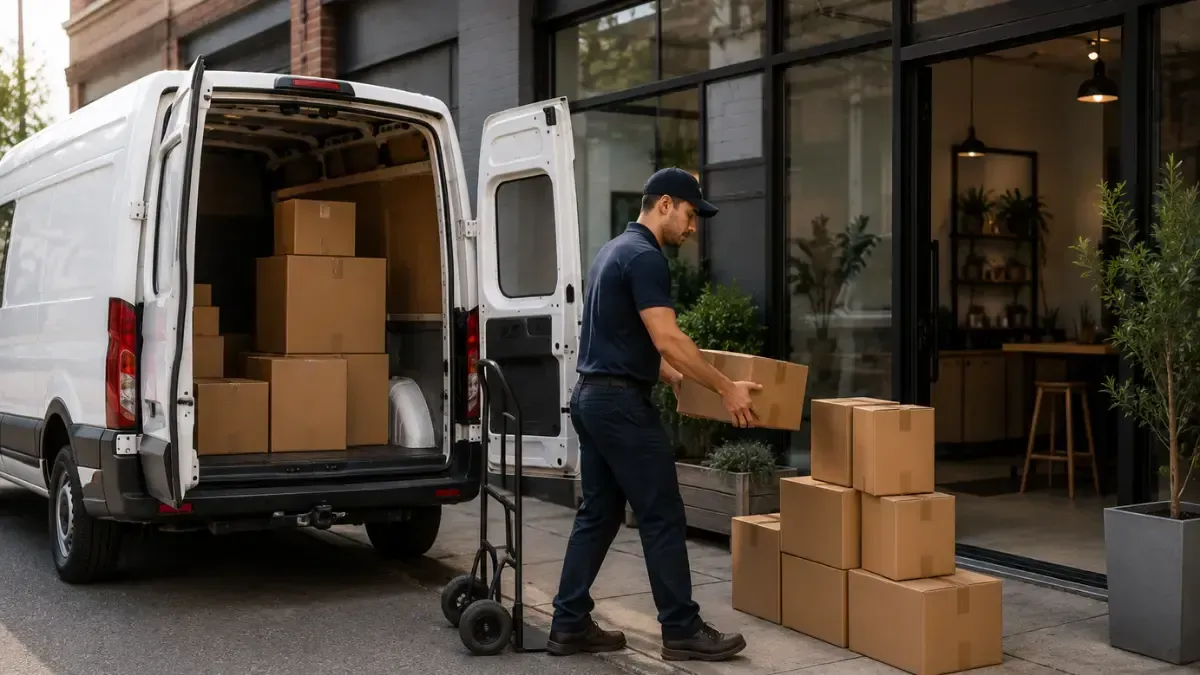
In today's fast-paced marketplace, customers expect their orders to arrive quickly, accurately, and on time. Whether they are ordering groceries, retail products, medical supplies, or business equipment, delays can lead to frustration and lost trust. For local businesses in New Jersey, maintaining reliable delivery operations is no longer optional - it is a critical factor in customer satisfaction and business growth.
Many companies struggle with transportation bottlenecks, traffic congestion, route inefficiencies, communication gaps, and outdated logistics processes. Fortunately, there are practical strategies businesses can implement to improve delivery performance and meet customer expectations consistently.
This guide explores how businesses can reduce delivery delays in New Jersey while improving operational efficiency, lowering costs, and building stronger customer relationships.
#Why Delivery Speed Matters More Than Ever
Modern consumers have become accustomed to fast shipping and real-time updates. A delayed delivery can negatively impact a customer's perception of a business, regardless of the quality of the product.
When deliveries arrive on time, businesses often experience:
Higher customer satisfaction
Better online reviews
Increased repeat purchases
Improved operational efficiency
Stronger brand reputation
Reliable delivery services are now a competitive advantage for local companies operating throughout New Jersey.
#Common Causes of Delivery Delays
Before solving delivery challenges, it is important to understand what causes them.
Several factors frequently contribute to late deliveries:
#Traffic Congestion
New Jersey's busy highways and urban centers can significantly affect transportation schedules. Heavy traffic during peak hours often creates unexpected delays.
#Poor Route Planning
Without optimized routes, drivers may travel longer distances than necessary, increasing delivery times and fuel costs.
#Communication Issues
A lack of real-time communication between dispatchers, drivers, and customers can create confusion and slow down operations.
#Manual Logistics Processes
Businesses relying on spreadsheets and outdated tracking methods may struggle to manage shipments efficiently.
#Unexpected Demand Spikes
Seasonal sales, holidays, and promotional events can increase order volumes and overwhelm delivery systems.
Identifying these challenges is the first step toward improving performance.
#Invest in Route Optimization Technology
One of the most effective ways to improve delivery efficiency is by implementing route optimization tools.
Modern logistics platforms analyze multiple factors, including:
Traffic conditions
Delivery locations
Driver availability
Road closures
Delivery priorities
These systems automatically identify the most efficient routes, helping drivers avoid congestion and complete more deliveries in less time.
Businesses that optimize routes often experience reduced fuel expenses, shorter travel times, and improved customer satisfaction.
#Leverage Real-Time Shipment Tracking
Customers want visibility into their orders from dispatch to delivery.
Real-time tracking solutions provide continuous updates that allow businesses and customers to monitor shipment progress.
Benefits include:
Improved transparency
Faster issue resolution
Better customer communication
Increased operational visibility
When businesses know exactly where shipments are located, they can quickly respond to delays and provide accurate updates to customers.
#Partner with Reliable Local Delivery Services
Choosing experienced local delivery services can significantly improve delivery performance.
Local providers understand:
Regional traffic patterns
Neighborhood access requirements
Local regulations
Delivery demand trends
Because they operate within specific service areas, local providers can often offer greater flexibility and faster response times than larger national carriers.
Businesses that work with trusted regional partners frequently achieve more consistent delivery outcomes.
#Strengthen Last-Mile Delivery Operations
The final stage of the shipping journey is often the most challenging.
Last-mile delivery services involve transporting goods from a distribution center or local hub directly to the customer.
This stage is critical because it directly impacts customer satisfaction.
To improve last-mile performance, businesses should:
Optimize delivery routes
Use tracking technology
Improve driver communication
Provide delivery notifications
Monitor delivery performance metrics
Efficient last-mile operations help reduce missed deliveries and improve the customer experience.
#Utilize Same-Day Delivery When Appropriate
Customer expectations continue to evolve, especially in competitive markets.
Many consumers now prefer faster delivery options whenever possible.
Offering same-day delivery New Jersey services can help businesses:
Improve customer satisfaction
Increase order conversions
Differentiate from competitors
Meet urgent delivery needs
While same-day delivery may not be necessary for every shipment, it can provide significant value for businesses serving customers in densely populated areas.
#Improve Communication Across the Delivery Process
Communication is one of the most overlooked components of successful logistics management.
Customers appreciate receiving updates regarding:
Order confirmation
Shipment status
Expected delivery times
Delays or schedule changes
Clear communication helps build trust and reduces customer service inquiries.
Businesses should also ensure that dispatchers, warehouse teams, and drivers remain connected throughout the delivery process.
#Build Relationships with Local Freight Providers
Businesses handling larger shipments can benefit from working with dependable local freight services.
Regional freight providers often offer:
Faster response times
Greater flexibility
Personalized customer support
Better understanding of local markets
These partnerships can help businesses move products more efficiently while maintaining greater control over transportation operations.
Strong local freight networks are especially valuable for manufacturers, wholesalers, retailers, and healthcare providers.
#Analyze Delivery Performance Data
Data-driven decision-making plays a critical role in logistics success.
Businesses should regularly monitor key performance indicators such as:
On-time delivery rates
Average delivery times
Failed delivery percentages
Transportation costs
Reviewing these metrics helps identify operational weaknesses and uncover opportunities for improvement.
Even small adjustments based on performance data can produce meaningful results over time.
#Prepare for Seasonal Demand Surges
Certain times of the year bring increased shipping volumes.
Holiday seasons, promotional campaigns, and special events often place additional pressure on logistics operations.
Businesses can prepare by:
Increasing driver availability
Expanding delivery capacity
Improving inventory forecasting
Coordinating with transportation partners
Planning routes in advance
Proactive planning helps minimize disruptions during peak periods.
#Enhance Warehouse and Inventory Management
Delivery efficiency starts long before products leave the warehouse.
Poor inventory management can create delays even when transportation systems operate smoothly.
Businesses should focus on:
Inventory accuracy
Efficient picking processes
Organized storage systems
Faster order fulfillment
When orders are prepared quickly and accurately, deliveries can begin on schedule.
#Embrace Logistics Automation
Automation continues to transform supply chain operations.
Businesses can automate tasks such as:
Order processing
Dispatch scheduling
Customer notifications
Route planning
Shipment tracking
Automation reduces manual errors and allows teams to focus on higher-value activities.
As technology advances, automated logistics solutions are becoming increasingly accessible to businesses of all sizes.
#Create a Customer-Centric Delivery Strategy
The most successful businesses view delivery as part of the customer experience rather than a back-end operation.
A customer-focused strategy includes:
Transparent communication
Flexible delivery options
Accurate tracking information
Fast issue resolution
Consistent service quality
When businesses prioritize customer convenience, they build trust and encourage long-term loyalty.
#Frequently Asked Questions
#What are the main causes of delivery delays for local businesses?
Delivery delays are often caused by traffic congestion, inefficient route planning, poor communication, inventory issues, and unexpected increases in order volume. Identifying these challenges can help businesses improve delivery performance and customer satisfaction.
#How can businesses reduce delivery delays in New Jersey?
Businesses can improve efficiency by using route optimization software, enhancing communication, partnering with reliable transportation providers, and implementing real-time shipment tracking. These strategies help streamline operations and reduce delivery disruptions.
#Why are local delivery services important for small businesses?
Local delivery services understand regional routes, customer expectations, and local traffic conditions. Their familiarity with the area often results in faster deliveries, improved reliability, and better customer experiences.
#How do last-mile delivery services improve customer satisfaction?
Last-mile delivery services focus on the final stage of transportation, ensuring products reach customers quickly and accurately. Efficient last-mile operations help reduce delays, improve communication, and increase delivery success rates.
#Is same-day delivery worth offering for local businesses?
Same-day delivery New Jersey services can provide a competitive advantage by meeting customer expectations for faster shipping. Businesses that offer expedited delivery options often improve customer loyalty and increase sales opportunities.